From Wireframes to Final Interface

Every successful website starts long before the final visuals appear on screen.
Behind clean interfaces and polished interactions is a process focused on structure, usability, and clarity. Good web design is not only about aesthetics — it is about solving problems and creating intuitive experiences.
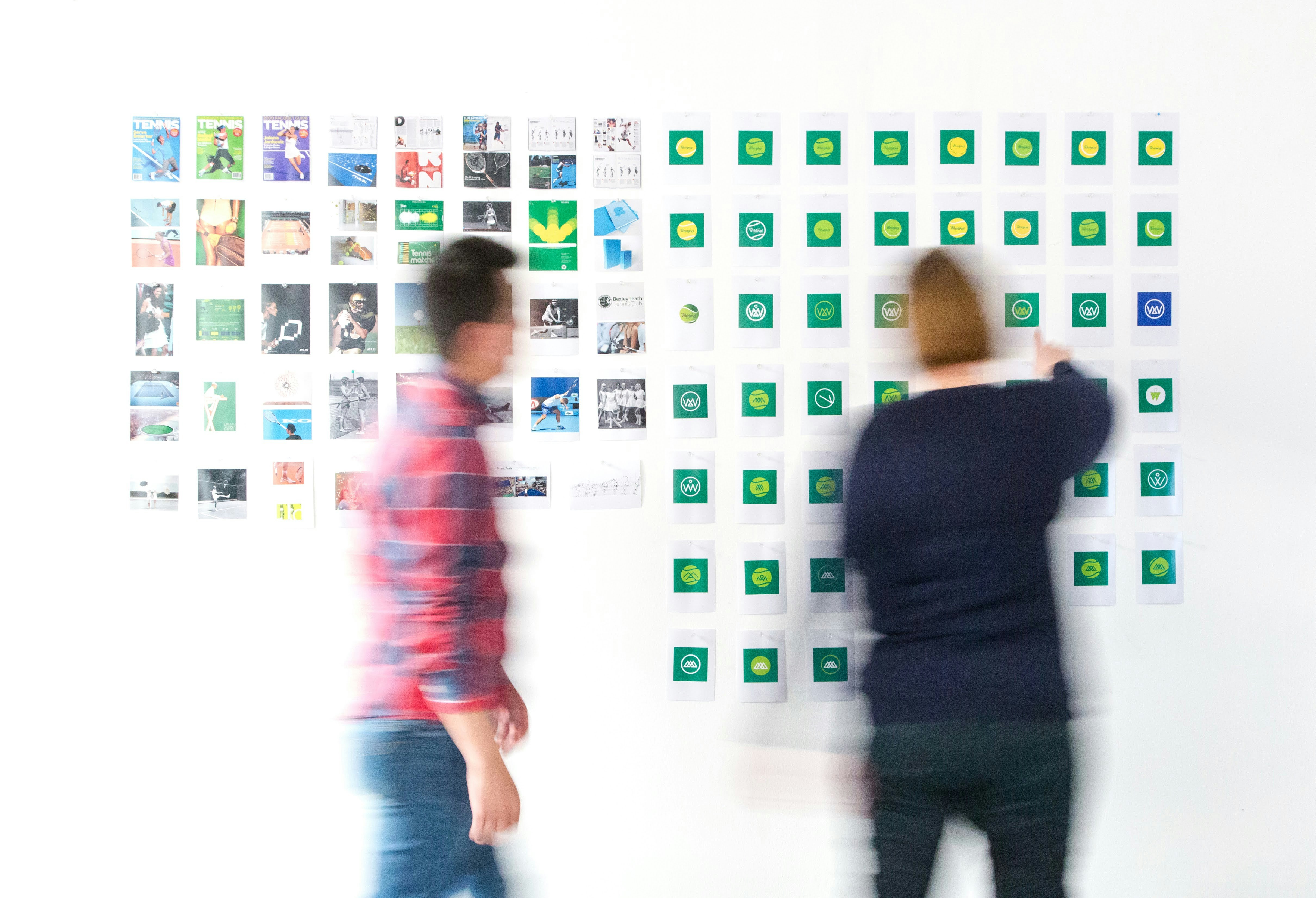
The process usually begins with research and discovery. Understanding the client’s goals, audience, and positioning helps define the direction of the project early on. At this stage, content structure and user flow become more important than colors or visuals. A strong foundation makes later design decisions much easier.
Wireframes are often the first visual step. They focus purely on layout, hierarchy, and functionality without distractions from branding or imagery. This stage allows designers to think critically about navigation, user behavior, and information architecture before moving into detailed interface design.
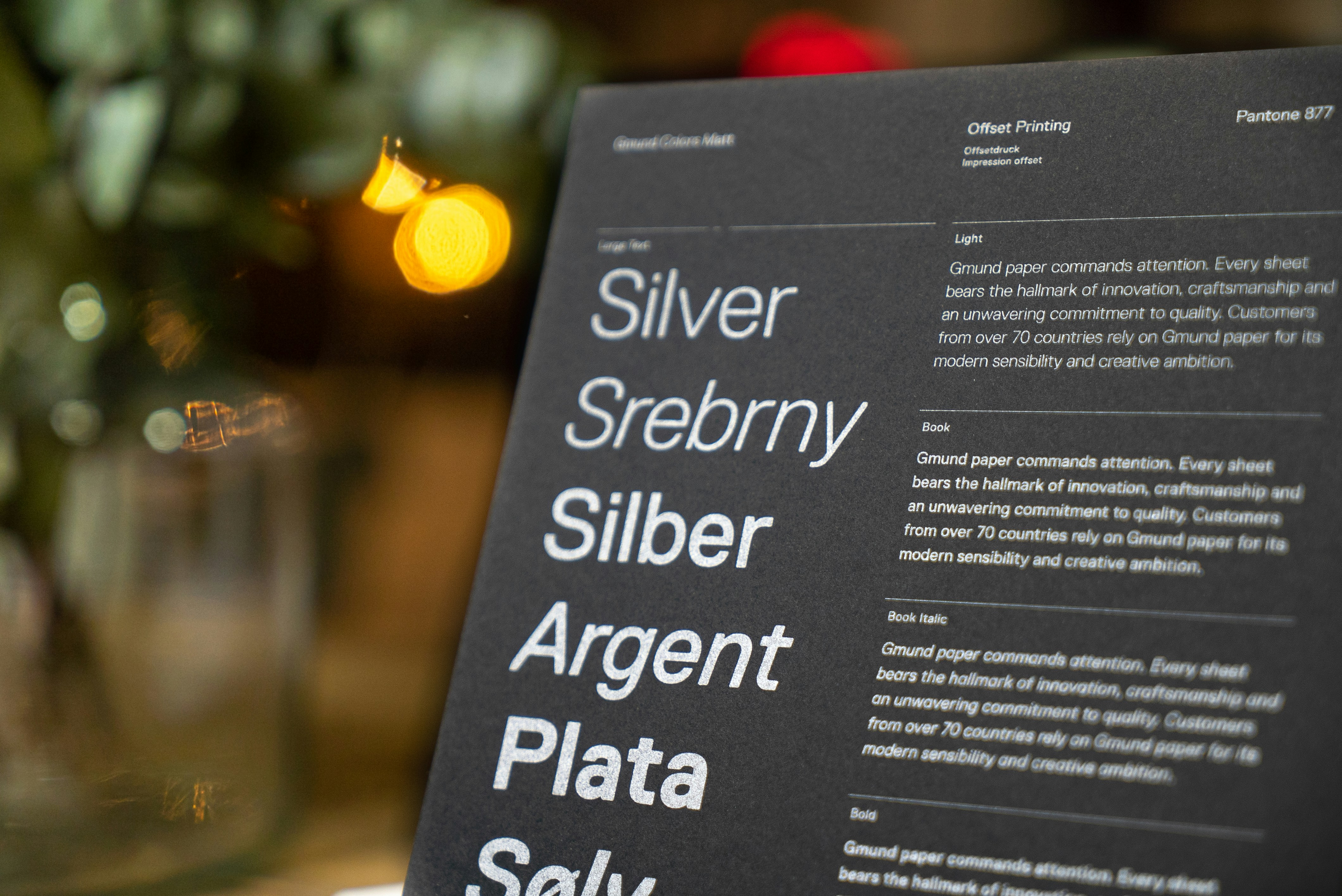
Once the structure is established, visual identity begins shaping the experience. Typography, spacing, colors, and imagery work together to create atmosphere and recognition. The best interfaces feel simple because every element serves a purpose. Consistency across components helps users navigate naturally and reduces friction.

Modern web design also requires responsiveness from the beginning. Interfaces need to adapt across desktops, tablets, and mobile devices while maintaining usability and visual consistency. Flexible grids, scalable typography, and thoughtful spacing systems make responsive experiences feel seamless rather than adjusted as an afterthought.
Animation and interaction design now play a major role in digital products. Subtle transitions, hover states, and motion can improve usability and make interfaces feel more refined. However, good motion design supports the experience rather than distracting from it.