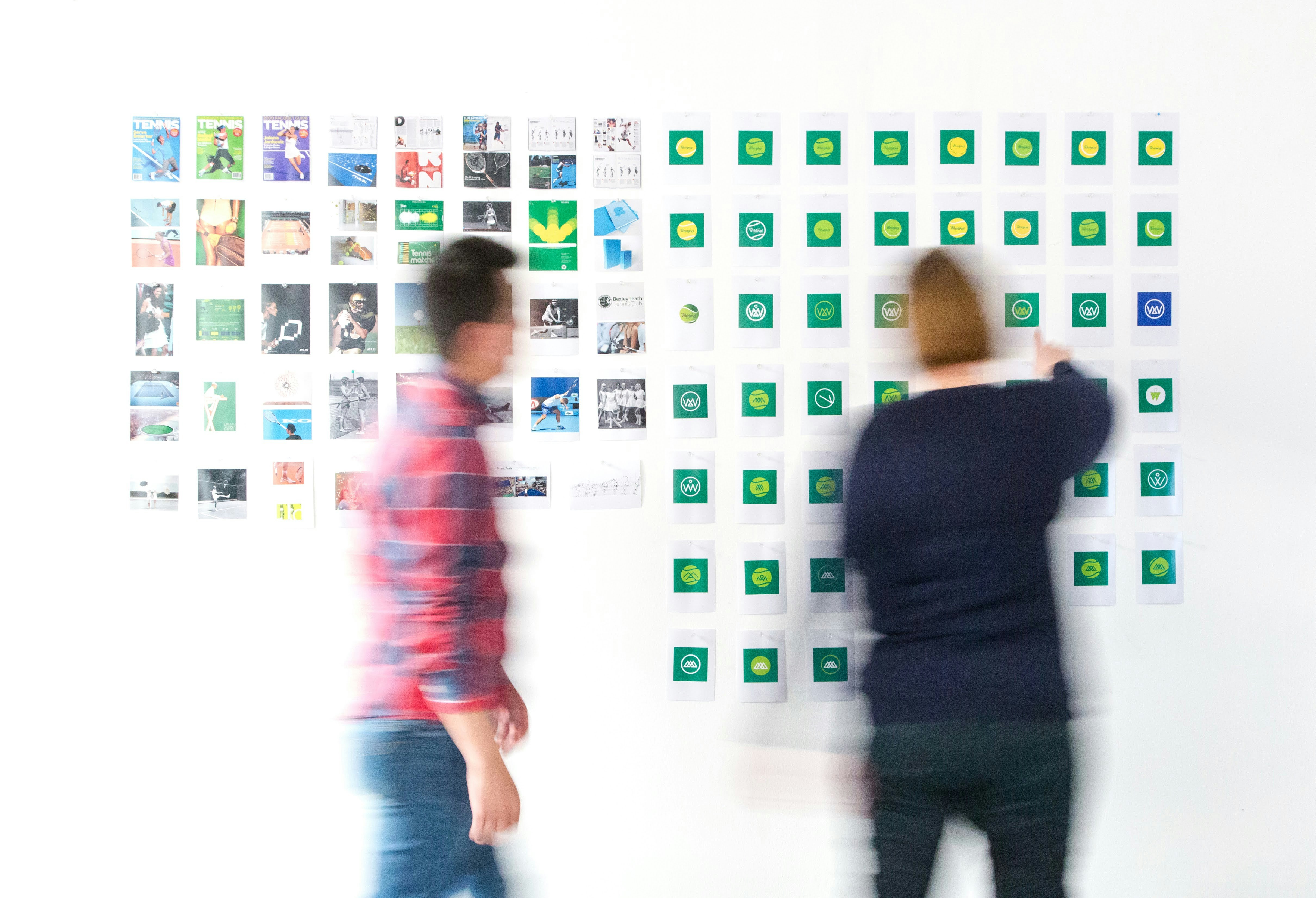
The Importance of Typography
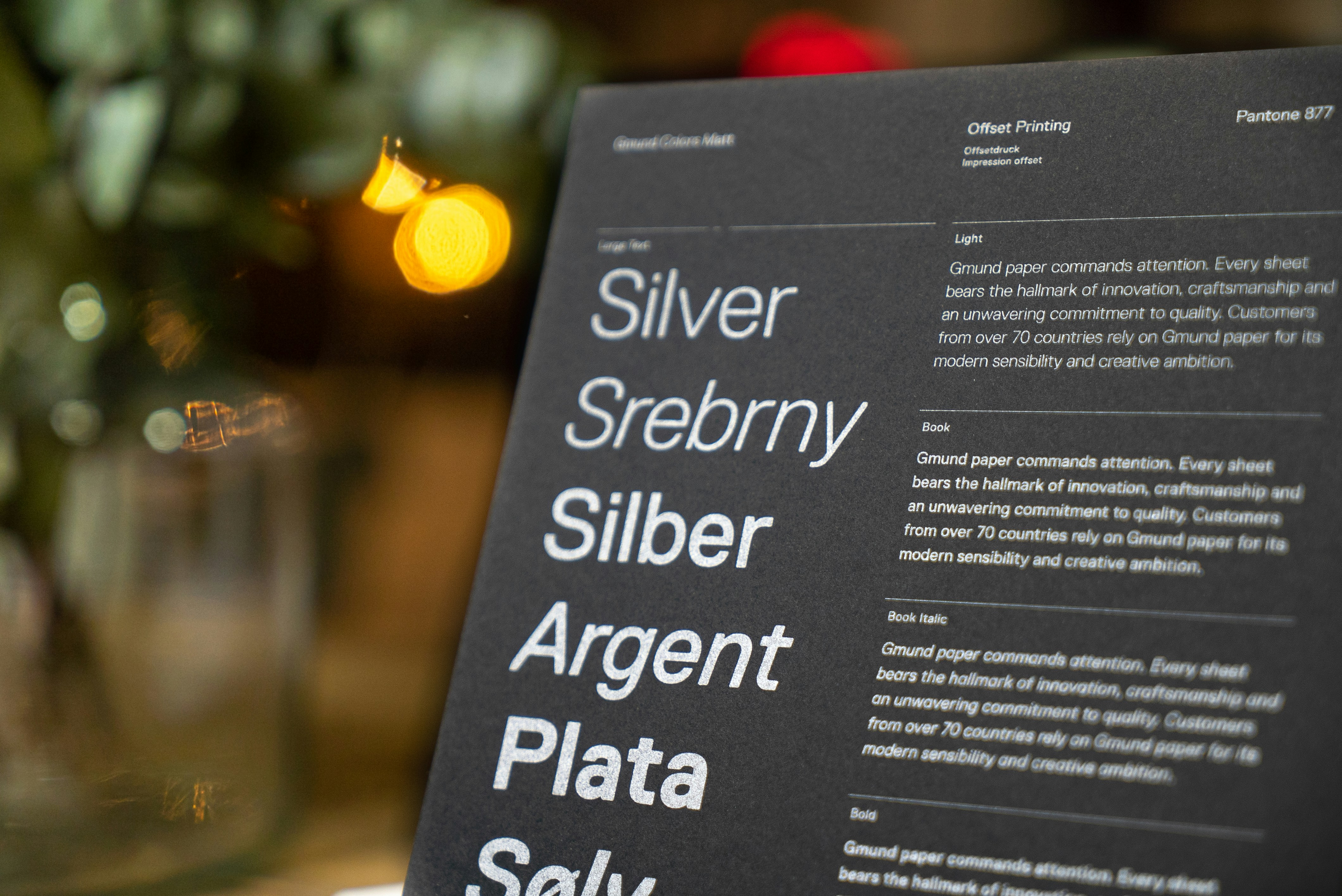
Good typography does far more than present information — it defines hierarchy, improves readability, guides user attention, and shapes the overall personality of a website.
When users visit a website
Typography becomes part of the experience immediately. The size of headlines, spacing between paragraphs, line length, and font selection all affect how content feels. Clean and balanced typography creates clarity, while poor typography can make even strong content difficult to engage with.
Modern web design increasingly focuses on simplicity and readability. Minimal layouts rely heavily on strong type systems because typography often becomes the primary visual element. Well-structured hierarchy allows users to scan content naturally and understand importance without effort.
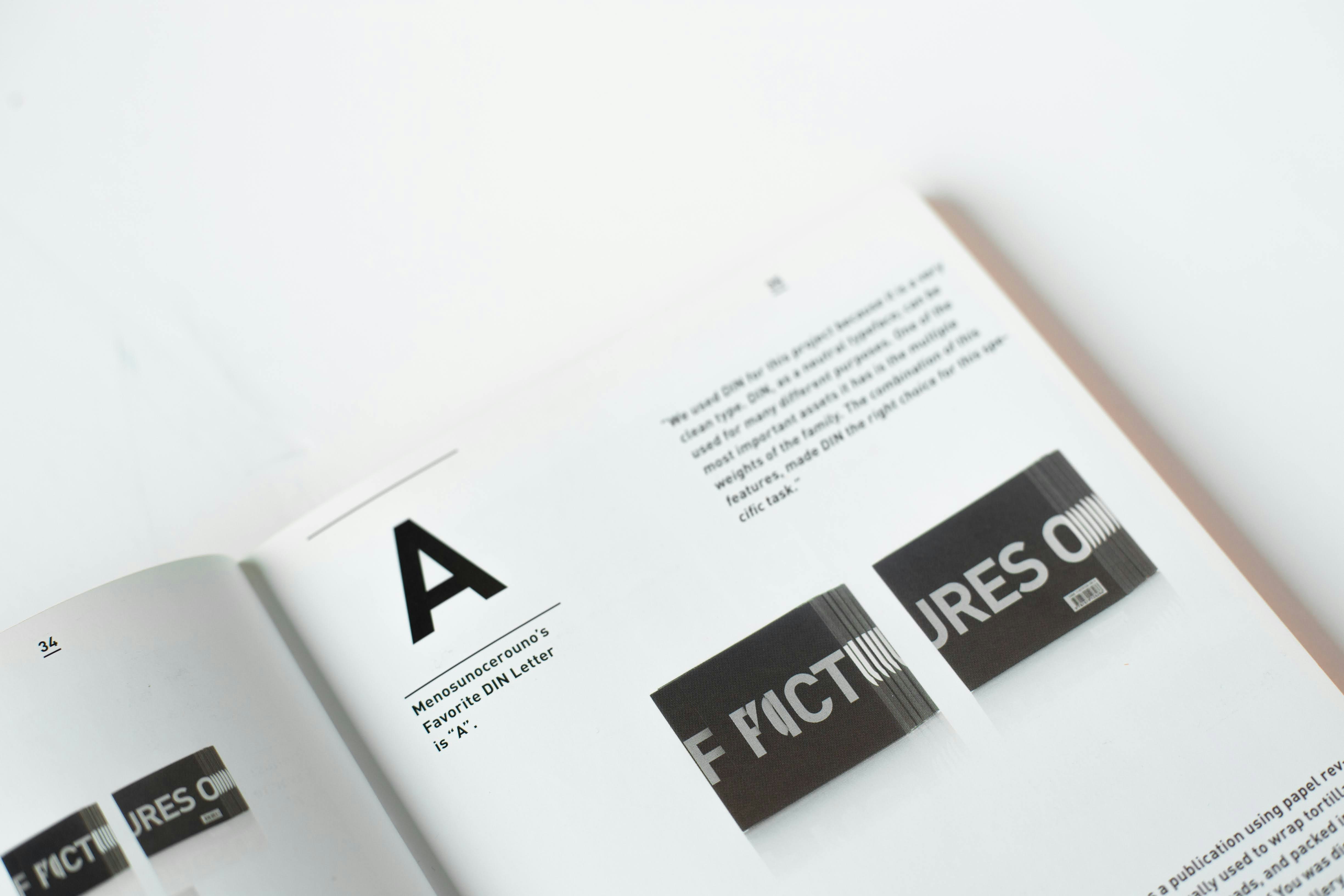
Choosing typefaces is both functional and emotional. Sans-serif fonts often feel contemporary and clean, while serif fonts can communicate sophistication, editorial quality, or tradition. Variable fonts and responsive typography systems now allow designers to create more flexible and optimized experiences across devices.
Spacing is equally important. White space improves readability and creates rhythm throughout a layout. Proper margins, padding, and line-height make interfaces feel intentional and easier to navigate. In many cases, spacing influences perceived quality as much as typography itself.